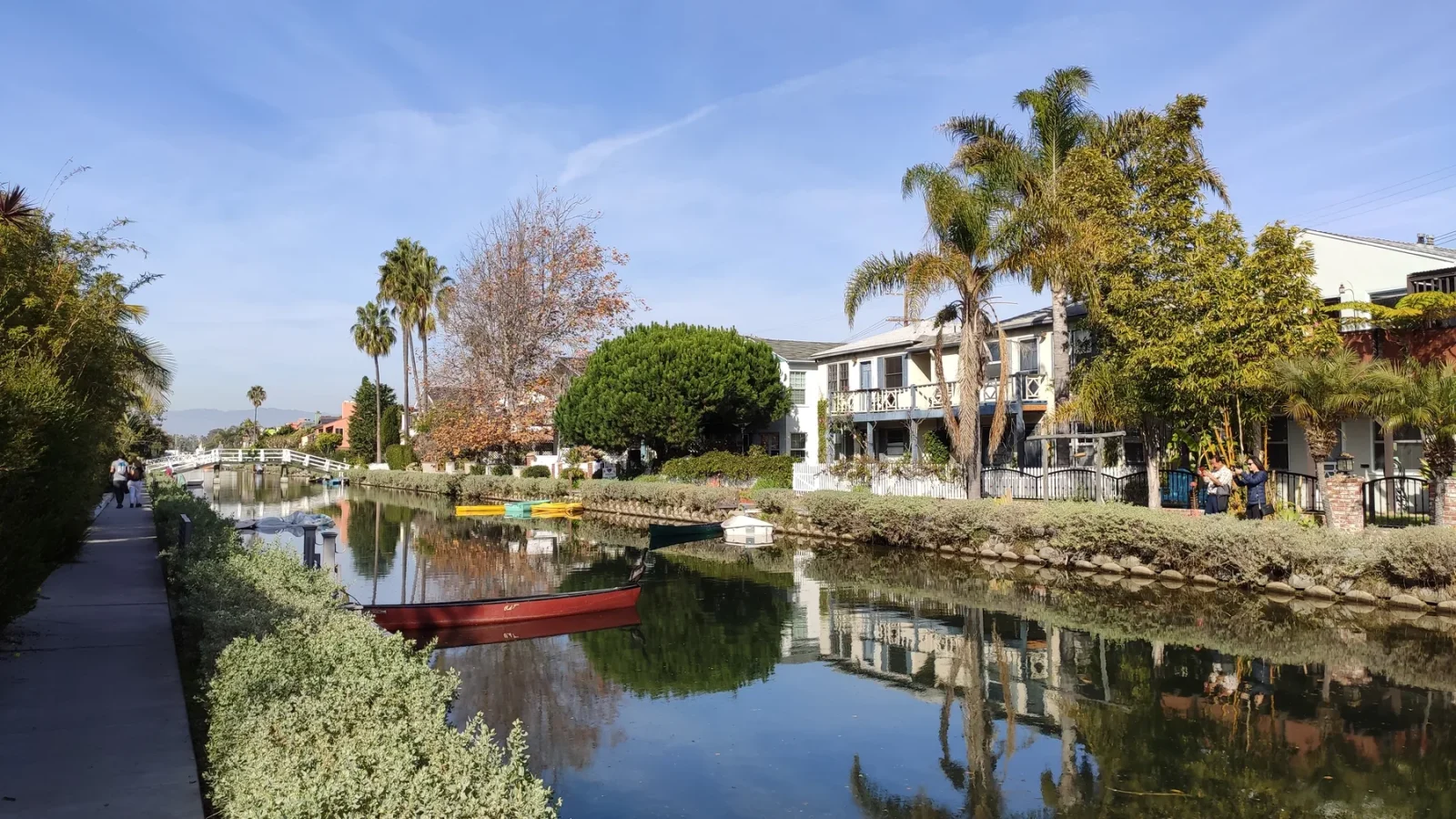
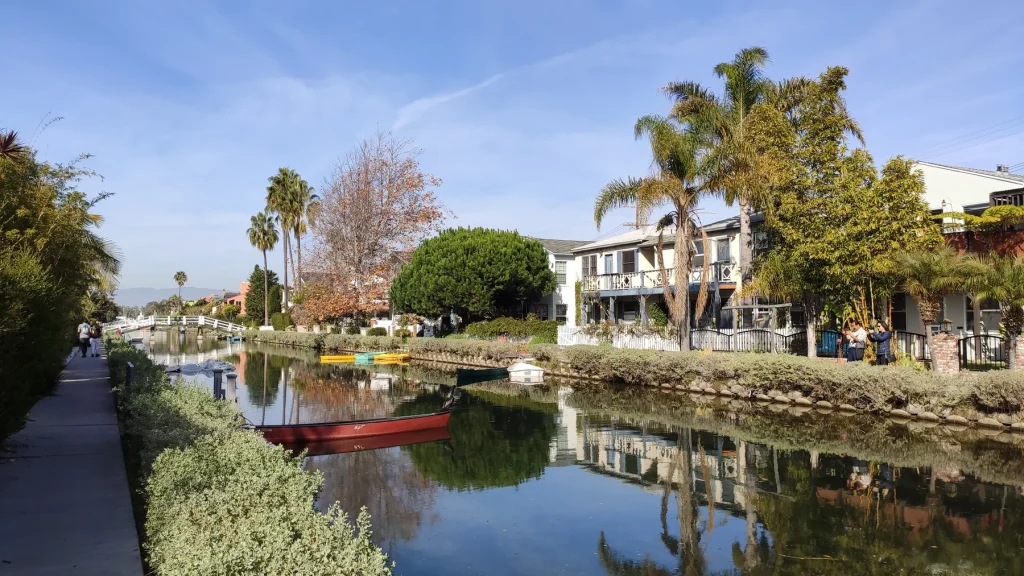
Venice contains two very different water scenes within a compact area. The canals are residential, small in scale, and crossed by footbridges. The oceanfront is broad, public, commercial, performative, and exposed to the Pacific. A useful day respects that difference and lets the walk between them supply the transition.
Start with current transportation and beach information. Parking, bus service, events, surf, weather, and path conditions can change. If you are walking through the canal district, remember that people live beside the route. Keep noise ordinary, do not block bridges, and do not enter private property for a photograph.

Full-Day Iconic Sights of LA, Hollywood, Beverly Hills, Beaches and More
This 7.5 hour guided tour - by LA-natives - is perfect for families, couples and all ages! Our routes are carefully curated to visit the most welcomin...

Warner Bros. Studio Tour Hollywood
Our Studio Tour brings you closer than ever to the entertainment you love. You’ll explore one of the busiest worki...
Hollywood, Beverly Hills & Celebrity Homes Tour by Open Air Bus
Your Ticket to The Hollywood Hills on this Interactive Sightseeing Tour on an Open Air Bus with a Fun Driver Guide...

Best of Los Angeles Guided City Tour with 4 Stops and Free Time
Check out the BEST Los Angeles has to offer on this half-day interactive sightseeing experience! Take a seat on one...
Read the quiet scene first
The canals are most legible when treated as infrastructure and neighborhood space, not merely as reflections. Notice how paths, bridges, planting, water, and house fronts define public and private edges. Avoid claims about a home or resident unless you have a reliable source.
Move next to a commercial corridor for a meal or pause. Check the business’s own current hours and ordering information. A famous recommendation across town is not automatically more valuable than a place that lets the day remain coherent.
Open the horizon
The oceanfront changes sound, scale, and exposure. Share paths carefully, keep out of active work and performance space, and ask before making identifiable photographs of individuals. Conditions on the sand and in the water require current official guidance. Do not infer safety from crowd size.

Los Angeles Hollywood Sign Hike: Front, Behind, and Expert Guide
Featured by the New York Times, The Today Show, USA Today, and the LA Times — Bikes and Hikes LA is LA's most trusted Hollywood Sign experience. Hik...

Los Angeles 3-Hour City Tour with 3 Stops
Experience Los Angeles on a personalized sightseeing tour unlike the typical scripted experience. Your knowledgeable...

Catalina Island Private Guided Golf Cart Tour of Avalon
Catalina Island’s original custom guided golf cart tour! Explore Avalon through the eyes of a local. With us you w...

Small-Group City Tour of Los Angeles, Hollywood and Beverly Hills
Discover the best of Los Angeles, Hollywood, & Beverly Hills on this immersive multimedia sightseeing tour—perfect...
Build an exit before the beach becomes tiring. Wind, heat, sun, and crowds can accumulate. The day succeeds when the quiet designed water and the open Pacific remain distinct—not when every nearby attraction is added to the route.